
All posts on this page open from the blog listing. Back to blog index.
7 Simple Habits to Stay Hydrated All Day
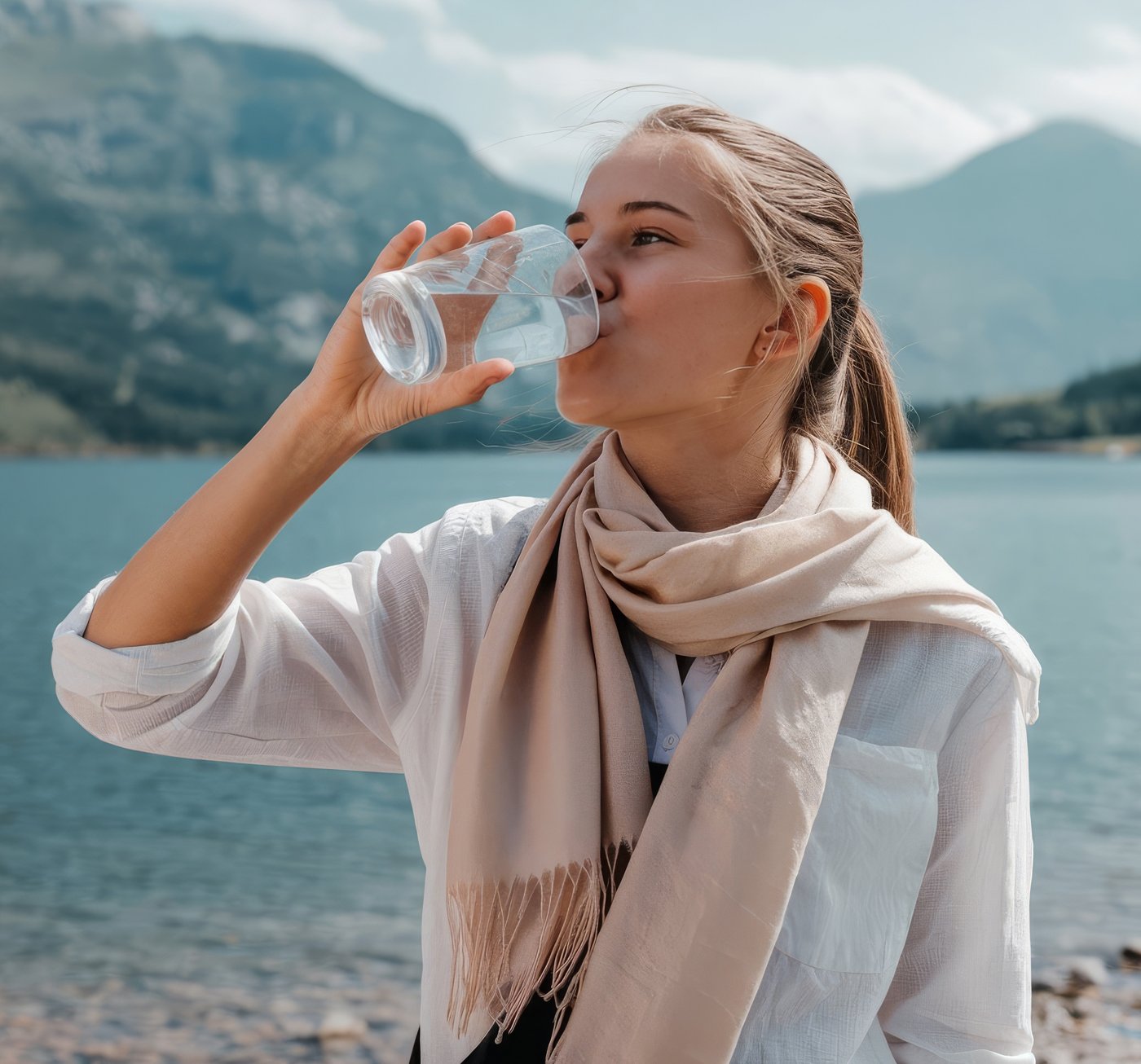
Staying hydrated sounds simple in theory, but in everyday life, it’s surprisingly easy to forget. Busy schedules, caffeine habits, constant multitasking, and long workdays often push water intake to the bottom of the priority list.
The problem is that even mild dehydration can affect energy levels, focus, mood, and overall well-being before most people even realize what’s happening.
The good news is that building better hydration habits does not require extreme routines or complicated wellness trends. Small, realistic changes throughout the day can make a noticeable difference.
These easy hydration habits are designed to fit naturally into daily life, helping you drink more water consistently without feeling forced or overwhelmed.
Begin Your Morning With Water Before Coffee
This one sounds almost suspiciously simple, yet it genuinely makes a noticeable difference.
After several hours of sleep, your body naturally loses fluids through breathing and normal overnight processes. Starting the morning with a glass of water helps replenish that loss before caffeine enters the picture.
Drinking water first can help support:
- Digestion
- Circulation
- Mental Clarity
- Energy Levels
- Morning Alertness
Even one glass creates momentum.
A funny thing happens when this becomes routine: your body starts expecting hydration early in the day. If plain water feels boring at sunrise, adding lemon, orange slices, or cucumber can make it feel more refreshing without loading it with sugar.
A small trick that genuinely helps? Keep water visible before bed, for example, on a nightstand, kitchen counter, or desk.
Refill Your Water Bottle Whenever Your Task Changes
Hydration becomes dramatically easier when attached to routines already happening automatically.
This habit works beautifully because it removes the need to “remember” hydration constantly.
Instead, use transitions as triggers.
Refill your bottle:
- After Meetings
- Before Study Sessions
- After Answering Emails
- Before Leaving The House
- After Workouts
- Between Errands
- After Household Chores
Your brain already recognizes transitions naturally. Connecting hydration to those moments creates consistency without requiring extra mental effort.
Reusable insulated bottles can help, too. Cold water simply feels more inviting to many people. Tiny comfort upgrades often create surprisingly powerful behavioral changes.
And no, perfection is not required.
Some days you will absolutely forget. That is normal. Sustainable wellness habits are built through repetition, not flawless execution.
Pair Meals With Water More Intentionally
Adding water alongside meals is one of the easiest ways to increase daily hydration without overcomplicating anything.
It also helps balance overall beverage intake throughout the day. Drinking water during meals may support:
- Digestion
- Portion Awareness
- Energy Stability
- Hydration Consistency
This does not mean every enjoyable drink suddenly becomes forbidden.
The goal is balance.
Replacing even one sugary beverage each day with water can reduce excess sugar intake while helping hydration feel more natural instead of forced.
Water-rich foods help, too, and honestly, they deserve more credit.
Excellent hydration-supporting foods include:
- watermelon
- strawberries
- oranges
- cucumbers
- celery
- lettuce
- tomatoes
Keep Water Visible During Work Hours
One of the simplest and most effective hydration strategies: keep water physically nearby throughout the day. People naturally drink more when water remains visible and accessible. Sounds obvious. Works brilliantly. Easy access matters, whether you work-
- at a desk
- in retail
- from a vehicle
- inside a warehouse
- in healthcare
- at home
- in meetings all day
A water bottle sitting nearby acts like a quiet reminder without demanding attention. Meanwhile, if hydration requires effort — walking downstairs, finding a cup, remembering where you left your bottle — your brain often postpones it.
Humans are efficiency-driven creatures. We choose convenience constantly, often without realizing it.
Keeping water within reach reduces friction and increases consistency.
And consistency is where the real benefits begin showing up:
- improved focus
- steadier energy
- fewer headaches
- better physical comfort
- less afternoon fatigue
Not dramatically overnight. More like subtle upgrades accumulating quietly in the background.
Add Natural Flavor If Plain Water Feels Boring
Some people genuinely struggle with plain water. Not because they are lazy or unhealthy — they simply find it boring.
Natural additions can create variety while keeping beverages refreshing and low in added sugar.
Popular combinations include:
- lemon and mint
- cucumber and lime
- strawberry and basil
- orange slices
- frozen berries
- sparkling water with citrus
Stay Refreshed Every Day With Dr. Hydration
Temperature matters too.
Some people drink more when the water is ice cold. Others prefer room temperature. Sparkling water helps certain individuals increase intake because the texture feels more satisfying.
The important thing is discovering what genuinely works for you instead of forcing routines that feel miserable.
Healthy habits survive longer when they feel enjoyable. That sentence alone could probably fix half the internet’s wellness advice.
Hydrate Before and After Exercise — Not Just During
A common mistake people make is waiting until workouts begin before thinking about hydration.
By that point, the body may already be playing catch-up. Pre-hydration helps support:
- endurance
- temperature regulation
- muscle performance
- stamina
- recovery
Even mild dehydration during exercise can increase fatigue and reduce performance noticeably.
You do not need to flood your system with enormous amounts of water immediately before workouts. Gradual hydration throughout the day usually works far better.
Then continue afterward.
Post-workout hydration helps replace fluids lost through sweat while supporting recovery and energy levels later in the day.
For longer or more intense workouts, electrolyte support may also help maintain balance alongside regular water intake.
Keep DR. HYDRATION® Where You Grab Snacks
This one is a sneaky genius because it works with human behavior instead of against it.
Most people snack automatically. We open cabinets while bored. Wander into kitchens during TV breaks. Reach for quick convenience foods after work because our brains are tired and drained.
So place better hydration options exactly where those snack habits already happen.
Keep a case of DR. HYDRATION®:
- Near the pantry
- Beside the fridge
- In the office break room
- In the car
- Next to protein bars or snack baskets
Basically, anywhere you naturally reach when hunger or cravings hit.
Why does this help so much? Because convenience wins. Almost every time.
If the easiest option nearby supports hydration, you’re dramatically more likely to make a better choice without forcing yourself into some exhausting self-control battle.
Final Thoughts
Hydration does not need to become an exhausting wellness project filled with strict rules, oversized water containers, or complicated routines.
In reality, the most effective habits are usually the simplest ones:
- drinking water before coffee
- keeping water nearby
- refilling consistently
- pairing meals with hydration
- adding natural flavor
- hydrating around exercise
- making healthy choices convenient
Tiny improvements repeated daily often create meaningful long-term benefits.
- Better energy
- Sharper focus
- Improved recovery
- More consistent physical comfort
- Fewer sluggish afternoons
The body tends to respond well when given steady support instead of occasional extremes.
And maybe that is the most useful reminder of all.
Health rarely improves through dramatic one-time efforts. It improves through ordinary decisions repeated quietly, consistently, and often imperfectly — one glass at a time.
Spring Water vs. Purified Water: What’s the Difference?
Most people do not think much about bottled water until they notice the labels. “Spring water” and “purified water” are everywhere, but many consumers still assume they are basically the same thing. In reality, they are processed differently, come from different sources, and even taste different once you start paying attention.
Both are considered safe to drink, but the experience they offer is not identical. The source, mineral content, and level of processing all play a role in how the water tastes and how consumers choose between the two.
Each 500ML bottle of DR. HYDRATION® is filled with natural spring water bottled right at the source to maintain the natural mineral balance and refreshing taste. This is also Kosher Pareve certified bottled water for easy, everyday hydration.
Understanding Spring Water
Spring water comes from an underground source- aquifers. Rainwater and snow seep through layers of rock below the earth, naturally filtering the water over time, before it arrives at the spring source.
Along the way, the water picks up naturally occurring minerals such as calcium, magnesium and potassium. Those minerals are part of the reason spring water frequently tastes smoother and more natural than overly processed water.
To legally be sold as spring water in the United States, the water must meet FDA bottled water standards and be collected directly from the spring or through a protected underground source connected to it.
This matters because the mineral profile is not artificially created later. It develops naturally underground.
That source-first approach is part of what defines DR. HYDRATION®. The water is bottled at the source instead of going through aggressive processing that changes its natural composition.
What Makes Purified Water Different?
Purified water takes a very different route before it reaches the bottle.
It can start as groundwater, municipal tap water, or another water supply. From there, it goes through several treatment methods designed to remove contaminants, chemicals, and dissolved particles.
Common purification methods include:
- Reverse osmosis
- Distillation
- Carbon filtration
- UV treatment
- Deionization
The goal is to create water that meets strict purity standards. During filtration, most naturally occurring minerals are removed along with unwanted substances.
Some bottled water companies later add minerals back into purified water to improve taste, since heavily filtered water can sometimes taste flat or overly neutral.
People who choose purified water often prefer the consistency that comes from controlled treatment systems.
The Real Difference Is Natural vs. Processed
The easiest way to separate spring water from purified water is to look at how each one is produced.
Spring water keeps the characteristics created naturally underground. Its mineral content comes from the surrounding geology and natural filtration process.
Purified water depends on mechanical filtration and treatment systems to achieve its final result.
Neither type is automatically better than the other. It usually comes down to personal preference.
Some individuals like spring water because it seems less processed and has minerals that occur naturally. Others like purified water for the taste, because it is excessively filtered and consistent.
Why Taste Can Change Between Bottled Waters
Many consumers notice taste differences between bottled water brands without knowing why.
Minerals are usually the reason.
Spring water naturally contains trace minerals that affect flavor and mouthfeel. Depending on where the water comes from, the taste may feel smoother, slightly crisp, or more refreshing.
Purified water tends to have a cleaner but flatter taste because most dissolved minerals have been removed during treatment.
That is why two bottles labeled simply as “water” may taste completely different.
At DR. HYDRATION®, we preserve the water’s natural balance as part of our brand’s approach to everyday hydration.
Is One Safer Than the Other?
Both spring water and purified water sold in the U.S. must comply with FDA bottled water regulations. Established bottled water brands also conduct regular testing for safety and quality.
The difference usually is not about which one is safer. The bigger difference is how the water reaches the final bottle.
Spring water is protected and bottled close to the source to preserve its natural condition.
Purified water relies on filtration systems and advanced treatment methods to meet purity standards.
Consumers who prefer fewer processing steps often gravitate toward spring water because it stays closer to its original form.
Why Spring Water Continues to Grow in Popularity
Consumers today are more concerned about product origins than they were years ago. People read labels more attentively and are often curious in where items come from and how they are created.
That shift has influenced bottled water buying habits as well.
Many consumers choose spring water because they prefer:
- Naturally occurring minerals
- Water sourced directly from underground springs
- Minimal processing
- A fresher taste
- More transparency about the source
That focus on naturally sourced hydration remains central to DR. HYDRATION®. Every bottle we produce is designed for portability, convenience, and reliable daily hydration without unnecessary alteration to the water itself.
With our brand’s Kosher Pareve certification, consumers can feel confident about buying this bottled water that corresponds with their dietary choices.
Which Type of Water Fits Your Lifestyle?
There is no universal answer because drinking preferences vary from person to person.
If you enjoy water with natural minerals and a more refreshing taste profile, spring water may be the better option.
If you prefer highly filtered water with a very neutral flavor, purified water may fit your preferences more closely.
For busy schedules, workouts, commuting, travel, or long office days, convenience matters too. Many consumers now look for bottled water that combines portability with trusted sourcing and dependable quality.
That is exactly where DR. HYDRATION® positions its bottled spring water products for everyday use.
Final Thoughts
Spring water and purified water may sit side by side on store shelves, but they are not the same product.
Spring water comes directly from underground sources and naturally contains minerals shaped by surrounding rock formations. Purified water starts from a separate source and goes through extensive filtration and treatment before bottling.
Both meet bottled water safety standards, but the better choice depends on what you personally value in drinking water.
If you prefer water that keeps its natural characteristics intact rather than relying heavily on processing systems, spring water is often the preferred option. That naturally sourced approach continues to define every bottle from DR. HYDRATION®.
Why Hydration Matters More Than You Think
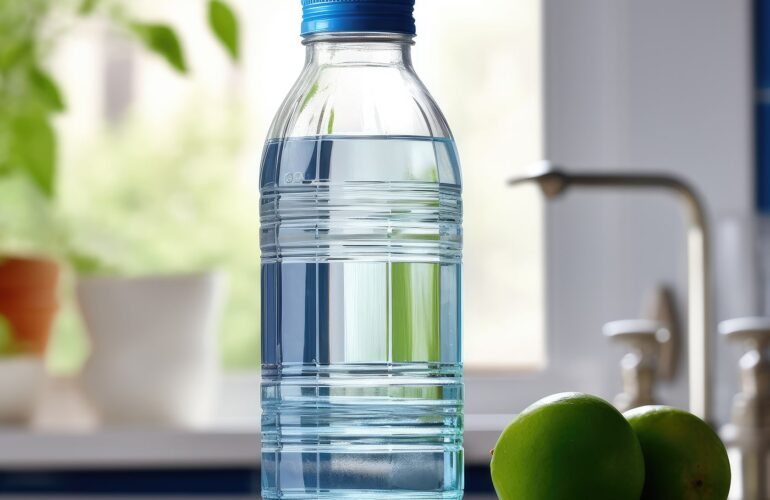
Most people know that drinking water is vital, but many individuals don’t drink enough water during the day. Hydration plays a role in just about every cell in your body, from your brain and energy levels to your joints and health in general. Even slight dehydration might make you fatigued, inattentive, and unpleasant without knowing the underlying reason.
Your body is made up of about 60% water, which means staying hydrated is essential for it to function properly. Busy schedules, workouts, hot weather, and long work hours can all make it difficult to stay hydrated consistently. That is why having a reliable hydration solution nearby can make a big difference.
How Keeping Hydrated Can Help You
Want to know how proper hydration supports your body’s overall performance? Let’s talk about a few key benefits.
Helps in Improving Brain Performance
The brain relies heavily on being well-hydrated. When you do not have enough water in your body, it manifests as difficulty concentrating, remembering things, and paying attention.
If you drink enough water daily, you can enhance your brain’s performance. It can be very helpful when you need to concentrate while working, learning, or attending a meeting. It may also help prevent mental fatigue and headaches.
Gives Energy Boost
Daytime fatigue may often be caused by dehydration. When your body lacks fluids, energy levels drop rapidly because the body has to exert more effort to remain active.
Fluid intake promotes the effective flow of blood within your body. The body becomes energized because the oxygen and nutrients it requires are easily circulated.
Relief From Joint Pain
Being well-hydrated helps ensure joints work efficiently. Joint cartilage contains much water; thus, it ensures that there is little friction between the bones. When someone is dehydrated, their joints lack sufficient lubrication; thus, they may feel stiff.
Staying hydrated is important because it helps ensure efficient movement. Adding hydration to your daily wellness routine may help your body recover better after physical activity.
Helps in Regulating Body Temperature
Water is naturally used by your body to regulate temperature. This happens due to sweating, which occurs during hot weather or after physical activity. Failure to replenish lost water makes you feel like you’re overheating.
Water helps your body regulate its temperature and makes you comfortable all day long. Be it outside, during exercise, or just having a tough day, staying hydrated can be what you need to keep yourself feeling balanced.
Improves Detoxification
Your body is designed to eliminate waste materials naturally, but drinking enough fluids helps kidneys and other detoxification systems do their job well. But without sufficient water your body would not be able to perform these functions effectively.
Adequate fluid intake helps promote digestion, minimize swelling, and maintain general health. Staying hydrated is one of the easiest ways to help the body cleanse itself. Making hydration a regular habit can help you stay consistent while supporting your daily health goals.
Simple Daily Hydration Habits
Improving one’s hydration practices is no longer a daunting task. It all comes down to making small adjustments each day. Here are some easy ways that you can ensure you’re consuming more water during your day:
- Have one glass of water before drinking coffee in the morning. After a night without fluid intake, your body requires hydration.
- Refill your bottle every time you switch tasks. This creates a simple reminder during busy workdays.
- Match each meal with water rather than soda or juice. This can help reduce sugar intake while ensuring sufficient hydration.
- Place a bottle next to your computer or register at your workplace. This will help keep water top-of-mind.
- If the water is too bland, add some fruit slices or lemon wedges to flavor.
- Drink before workouts and then keep sipping after exercise. Many people think about hydration during the activity, but forget recovery afterward.
- Creating easy hydration routines can help turn healthy choices into long-term habits.
Stay Refreshed Every Day With Dr. Hydration
Most people don’t realize how important hydration is to their energy, focus, comfort, and general health. Staying hydrated is key to how you feel every day, from maintaining brain function and joint health to helping control body temperature.
The good news is, drinking enough water doesn’t have to be tough. Keep a case of Dr. Hydration on hand and stay hydrated for a more energetic existence. Start building smarter hydration habits today and give your body the refreshment it deserves.